

Burgundy is a lot about history old producers and old wines … it sets the scene for the wines we drink today and the Burgundy we love.
I have therefore decided to get the help from a good friend, who has special competences regarding old wines – Pearl Liu
Pearl Liu
, a Burgundy enthusiast with a special interest in old wines and wine history. Through bottles, labels, and archives, she explores the history, vignerons, domaines, and heritage behind Burgundy wines, from celebrated names to forgotten chapters of the past.
Who Was Behind the Wines of Henri de Bahezre? The Rodier Family as Vignerons
Camille Rodier is a legendary name in Burgundy, yet few people know about his wine. Burgundy lovers may have heard about his book 《Le Vin de Bourgogne》 (1920), which remains an important reference for many later authors writing about Burgundy. And as the co-founders of the Confrérie des Chevaliers du Tastevin , he also played a major role in promoting Burgundy wine and culture.
But as a vigneron, what wines did he actually produce? And where have those wines gone today? Maybe this bottle of 1945 Richebourg from Maison Henri de Bahezre may offer some answers.
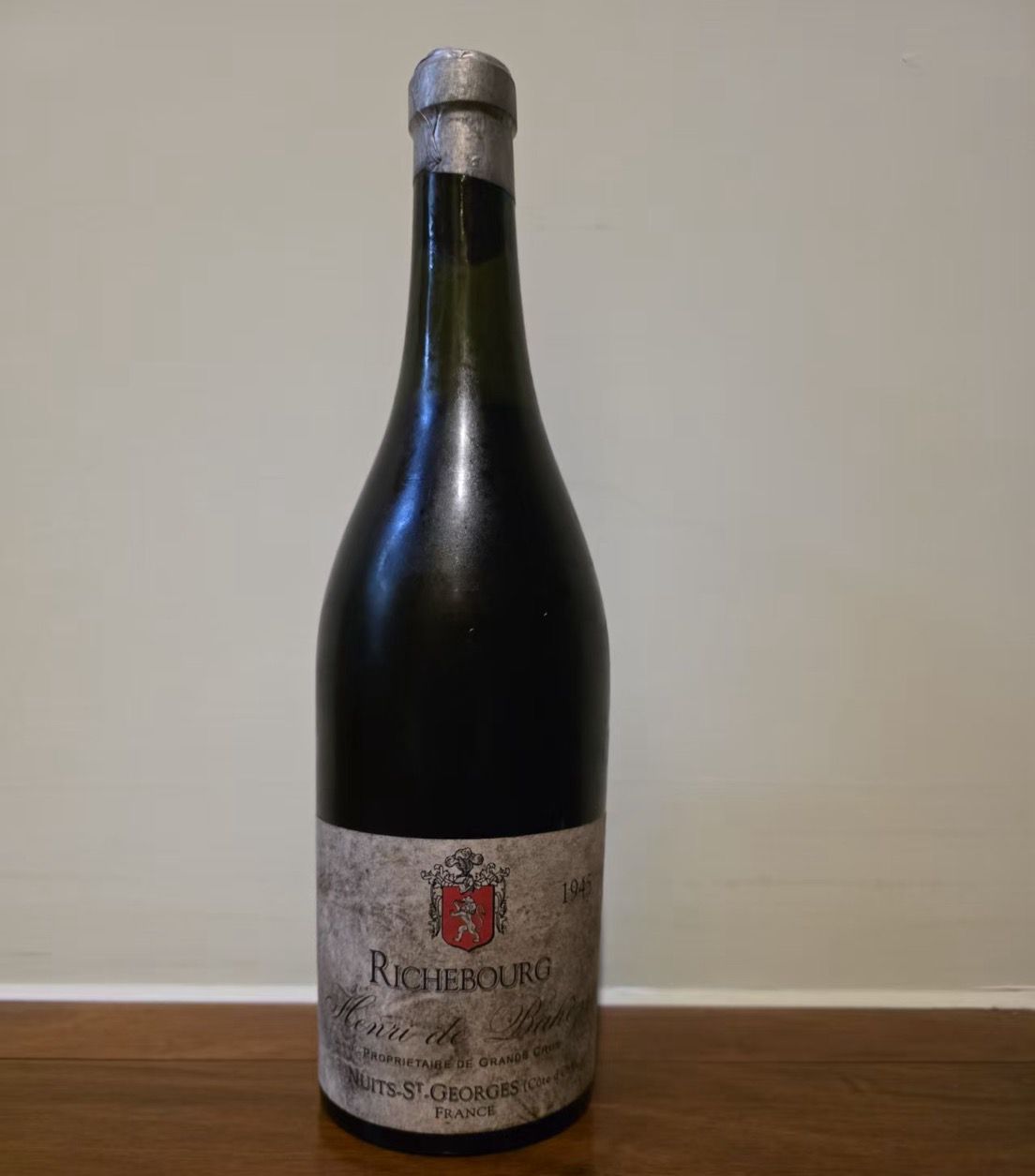
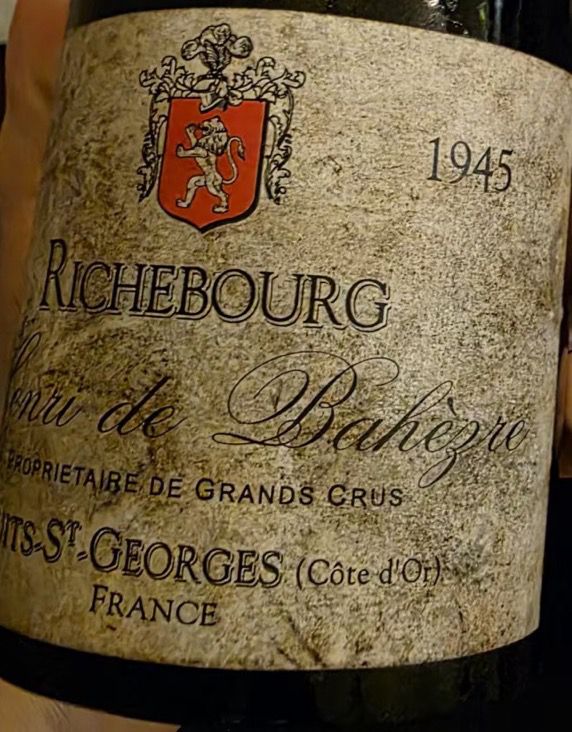
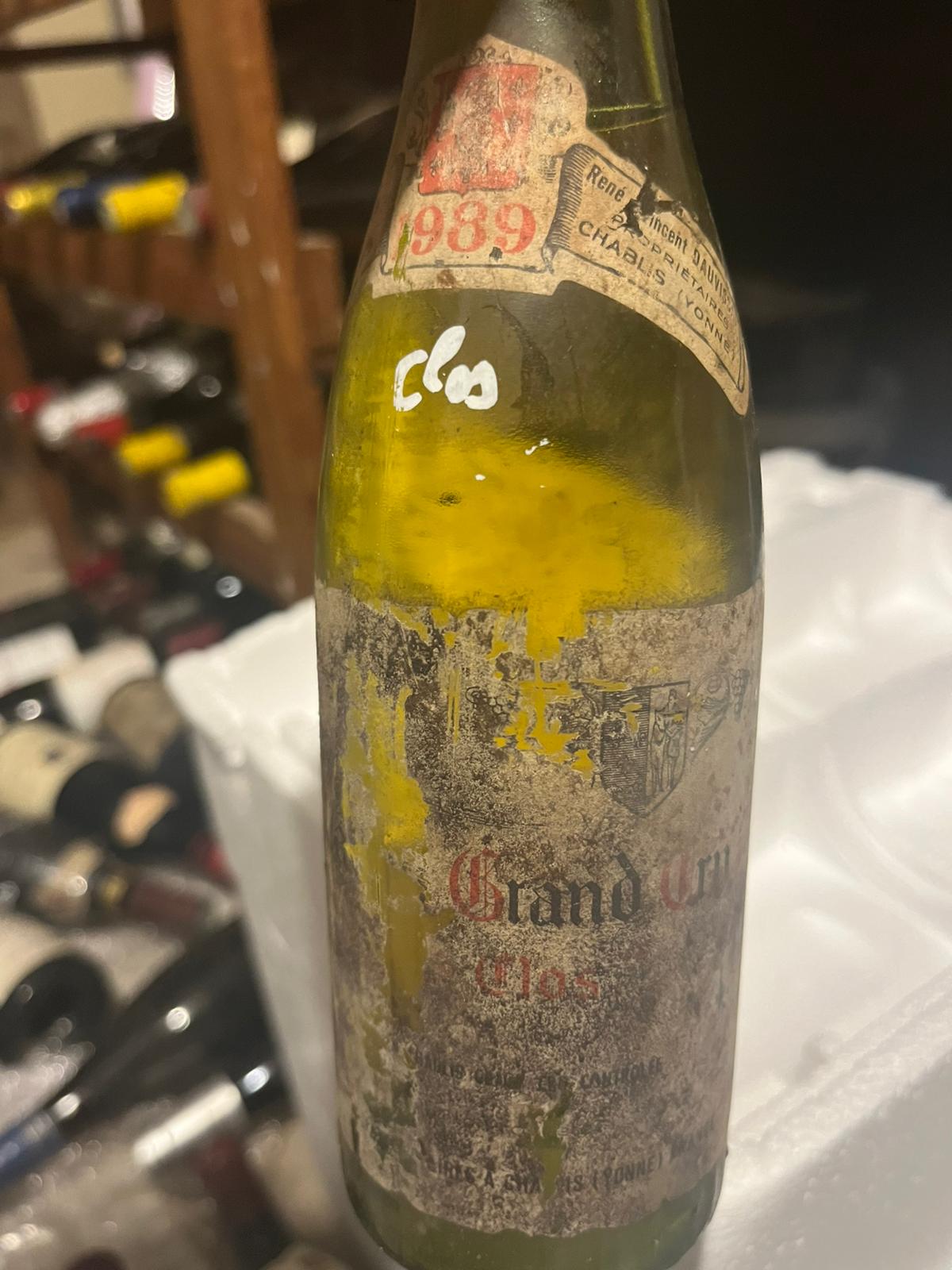
This old bottle of Richebourg from 81 years ago, was made by the Rodier family. Through this bottle, we may glimpse another side of Camille Rodier, — not only as a writer and cultural and political figure, but also as a vigneron.
The Rodier family domaine was not called “Domaine Rodier”, nor did Camille Rodier never establish a domaine under his own name. The family business was called Maison Henri de Bahezre, which was once a highly influential and prestigious Burgundy negociant house, located in Dijon and Nuits St. Georges. Their wines included : Richebourg, Chambertin, Musigny, Romanée-Saint-Vivant… and of course Clos des Lambrays, as the family owned this vineyard for seventy-two years, across three generations.
But why “Henri de Bahezre”? Are they related to the French noble family Le Bahezre de Lanlay? The similarity between the wine label and the coat of arms of the noble Le Bahezre de Lanlay family, as well as same name “Bahezre”, naturally raises the question of a possible connection between the two. However, when I look at the family tree of Rodier, I did not find any relation between the two, no marriage relation nor any other connections. Furthermore, I found a paper written by Dr. Gilles Laferté , published in 2002, 《 Image aristocratique et image vigneronne des vins. Lutte pour l’appropriation de la valeur ajoutée en Bourgogne dans l’entre-deux-guerres》
Dr. Gilles Laferté explained how certain Burgundy winegrowers associated their image with aristocracy. Some of these producers had no noble title themselves, yet adopted aristocratic imagery for commercial purposes. One of the examples cited in the paper is the Camille Rodier family.
“Maison Henri de Bahèzre, for example, was the name of the Rodier family’s négociant house, despite having no connection to the nobility.”
“La Maison Henri de Bahèzre est par exemple le nom de la maison de négoce de la famille Rodier sans lien avec la noblesse.”
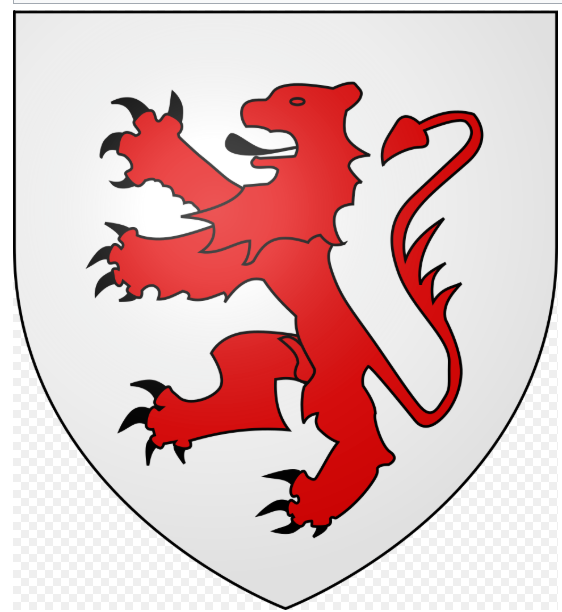
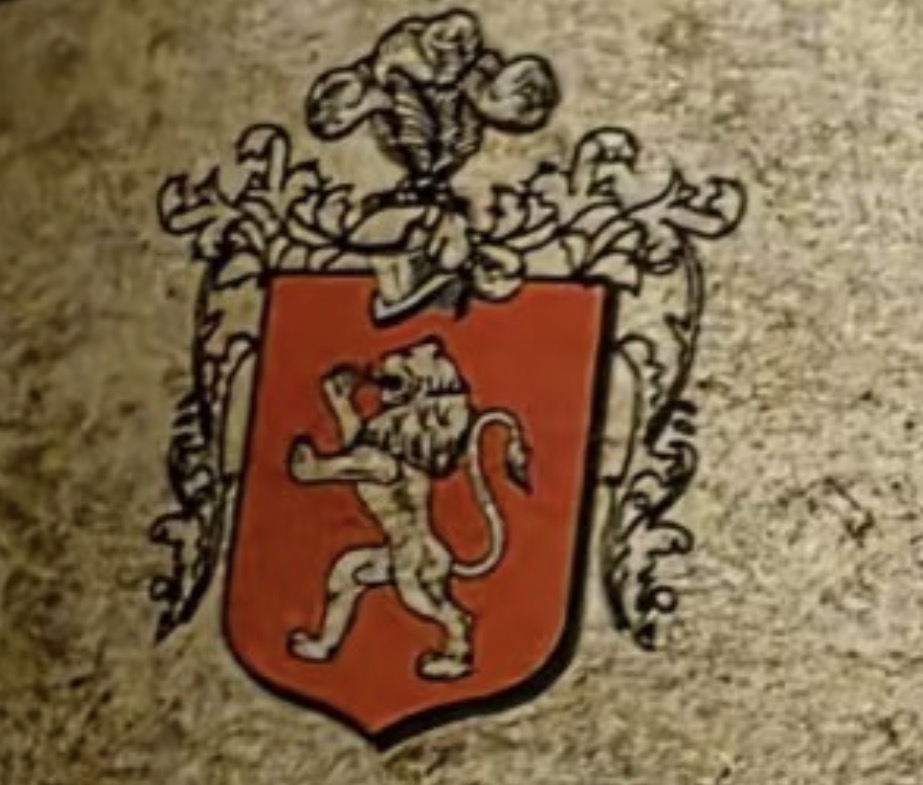
(Left: Coat of arms Le Bahezre de Lanlay) (Right: Logo of Maison Henri de Bahazre)
Although we do not know the reason behind this name and the label design, Maison Henri de Bahezre , founded in 1808, was very successful in the 19th century, till early 20th century. They owned buildings both in Dijon and Nuits-Saint-Georges. The building in Nuits-Saint-Georges still exists today, and the name Henri de Bahezre can still be seen above the entrance. According to the French Ministry of Culture website, the building was constructed in 1827. In 1905, the town purchased it from Maison Henri de Bahezre, and today it serves as the cinema of Nuits-Saint-Georges.

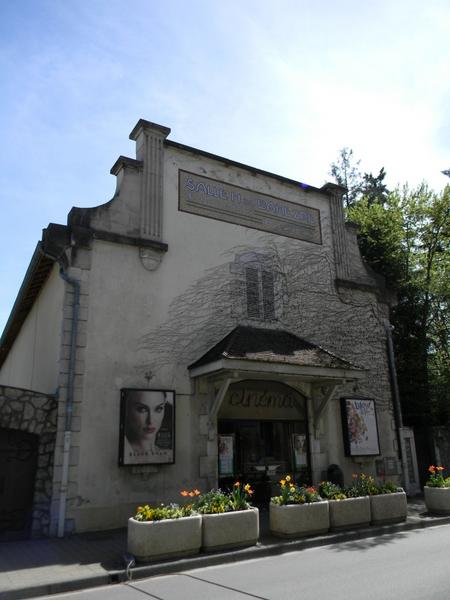
Maison Henri de Bahezre expanded significantly during the time of Camille’s grandfather Albert-Sébastien Rodier. Albert-Sébastien was born in 1828. In 1866, he purchased Clos des Lambrays from Louis Joly, then “continued the work of his predecessor(Louis Joly), and succeeded in restoring this climat(Clos des Lambrays) in its entirety”—— Camille Rodier wrote in his book.
Camille Rodier’s father, Charles Rodier, was born in 1861.
(Henri de Bahezre bottled Clos des Lambrays , image from Christie’s website)
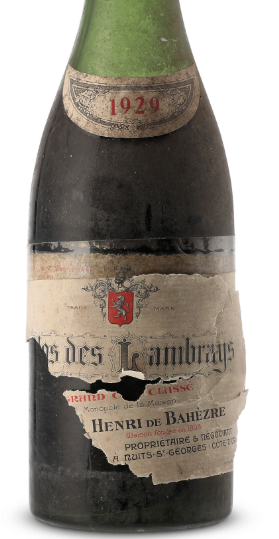
Camille Rodier was born in 1890. He had a brother, Albert Rodier. After their father passed away in 1914, the two brothers inherited the family business.
Camille Rodier devoted much of his life to the promotion of Burgundy culture. However, On the French Archives Nationales website, all the documents related to him, his profession was always :
Propriétaire, Viticulteur et Négociant en Vins
(Proprietor, Winegrower and Wine Merchant)
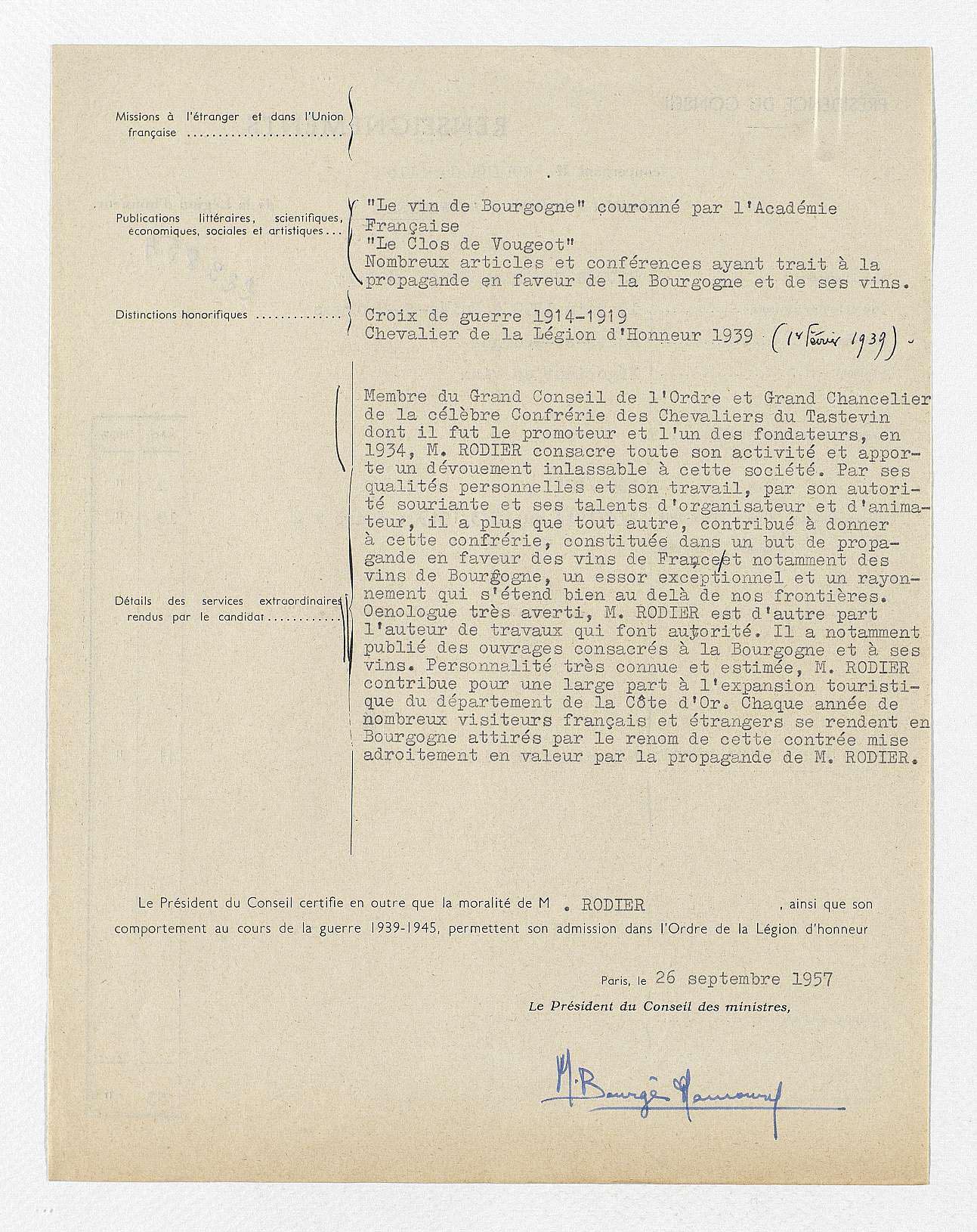
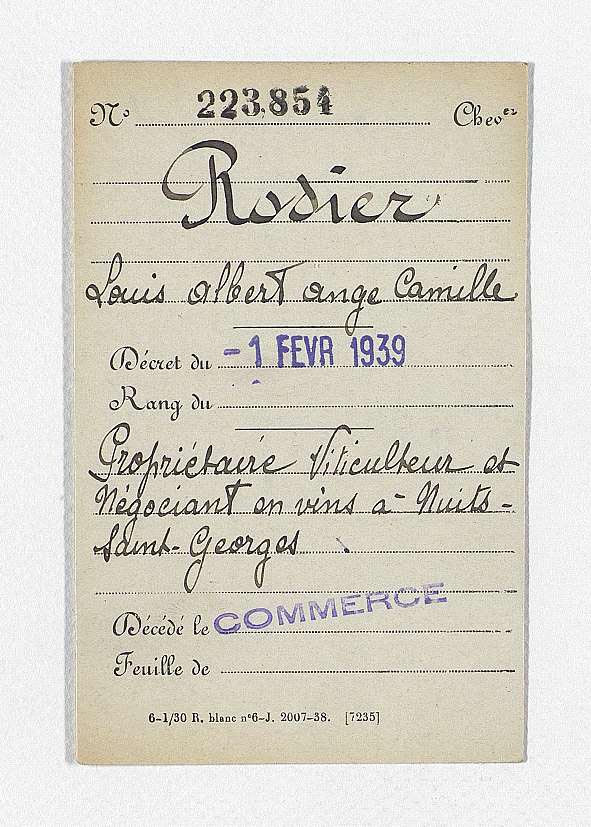
These records show some of the honours he received. He was awarded the Croix de Guerre 1914–1918 for his service during the First World War, and the documents also acknowledge his contributions during the Second World War. In 1939, he was awarded the title of Chevalier de la Légion d’Honneur.
The same documents describe in detail his exceptional contributions to Burgundy tourism and to the promotion of Burgundian culture.
But as proprietors and winegrowers, what vineyards did the Rodier family actually own?
Today, it is difficult to list all the vineyards they owned, except for Clos des Lambrays, and some parcels in Morey St Denis.
Clos des Lambrays was mainly managed by Camile’s brother, Albert Rodier. During the 1930s, the family encountered financial difficulties and had to sell the vineyard. It was Renée Cosson, a close friend of Albert Rodier, who purchased the vineyard in 1938. Albert Rodier continued making wine for Clos des Lambrays until the 1950s.
Camille Rodier died in 1963 without descendants. He donated his residence in Nuits St. Georges to the Confrérie des Chevaliers du Tastevin.
As for Maison Henri de Bahezre, it was later sold to Maison Moillard.
Today, bottles from the Rodier era of Maison Henri de Bahezre have become extremely rare.
Yet the Rodier family did not entirely disappear from Burgundy.
Camille Rodier’s great-grandmother Lazarette Maldant (1806–1883), came from the Maldant family of Savigny. She inherited part of the Maldant family properties and brought them into the Rodier family. Part of these properties later passed to her daughter Mathilde Rodier (1830–1910), Albert-Sebastien Rodier’s sister.
Mathilde married Ernest Riembault (1826–1916), and they had a daughter, Louise Riembault (1852–1936), who married J.-H. Remy — the grandfather of Philippe Remy and Louis Remy.
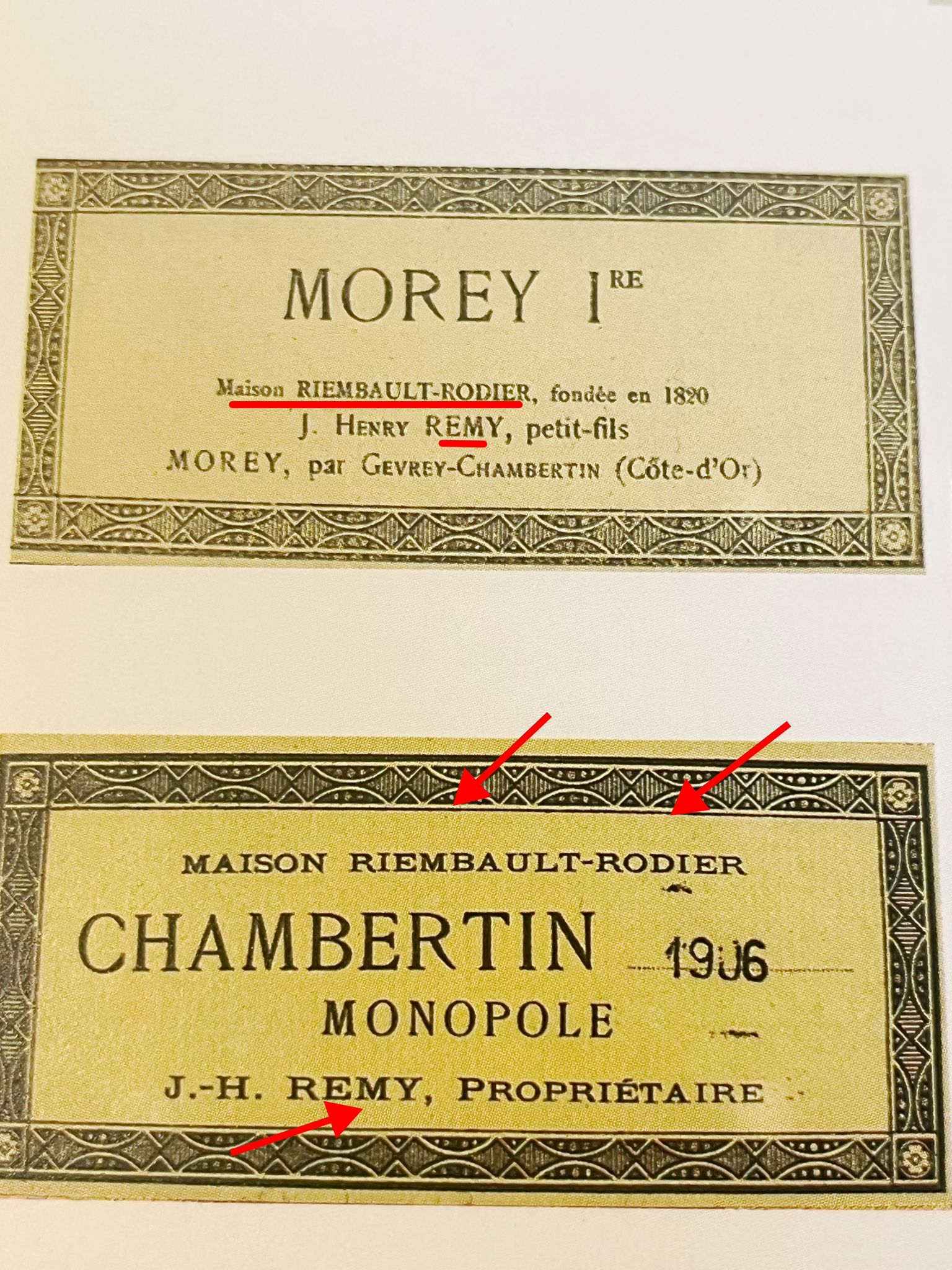
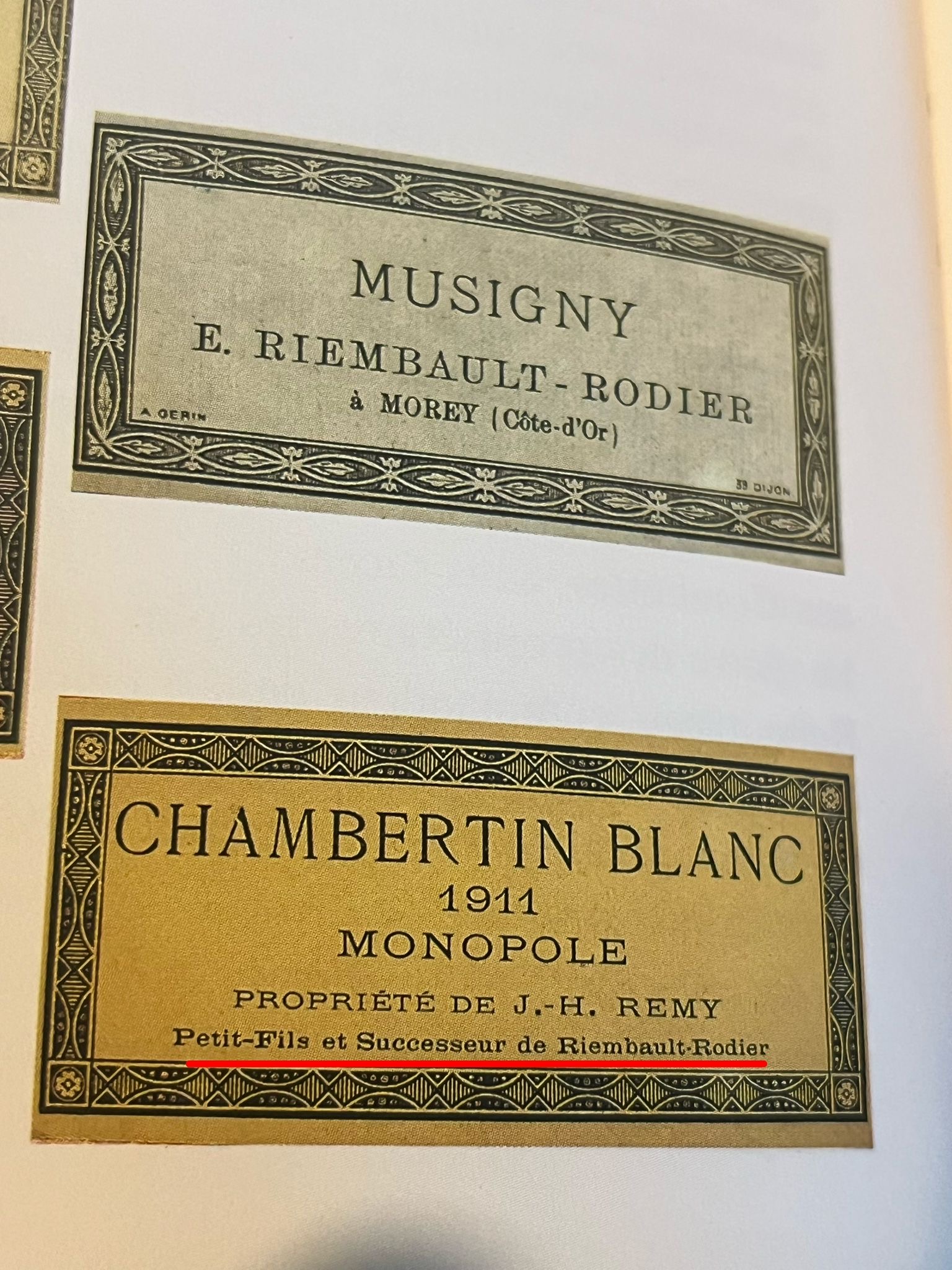
(These rare copies of old labels of Remy are from Jean-Francois Bazin’s book 《Chambertin》,showing all the 3 surnames on one label : Riembault, Rodier, Remy)
In the two images shown here, we can see that the Remy family originally described themselves as the “grandchildren and heirs of Riembault-Rodier.”
This connection raises an interesting possibility: could the vineyards and buildings owned today by Domaine Chantal Remy(previously Domaine Louis Remy) beside Clos des Lambrays, originate from Mathilde Rodier’s inheritance?
Although the Rodier family’s wine-making history has largely disappeared into the past, this bottle of 1945 Richebourg allows us to rediscover the history of Camille Rodier and his family as vignerons.
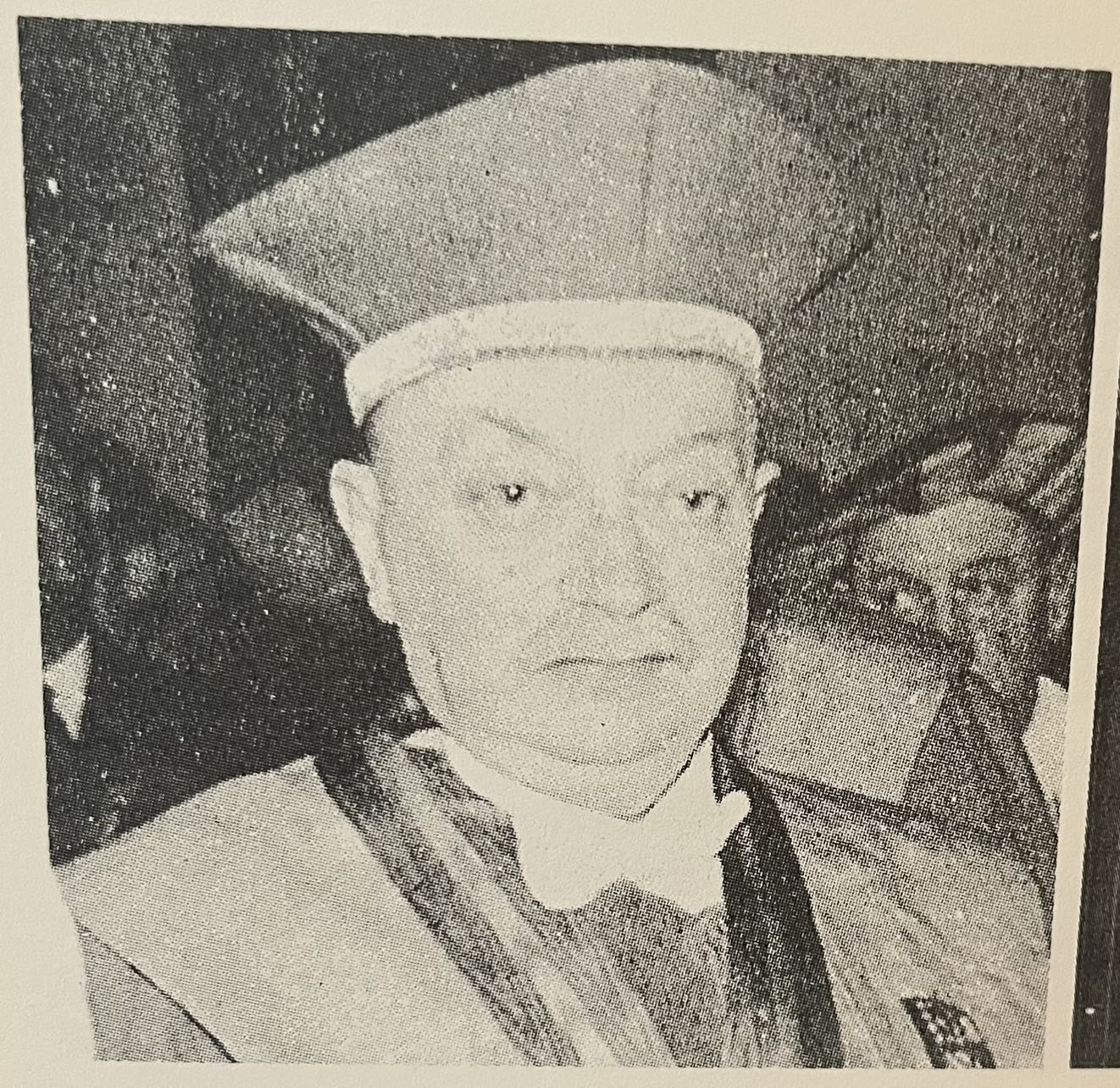
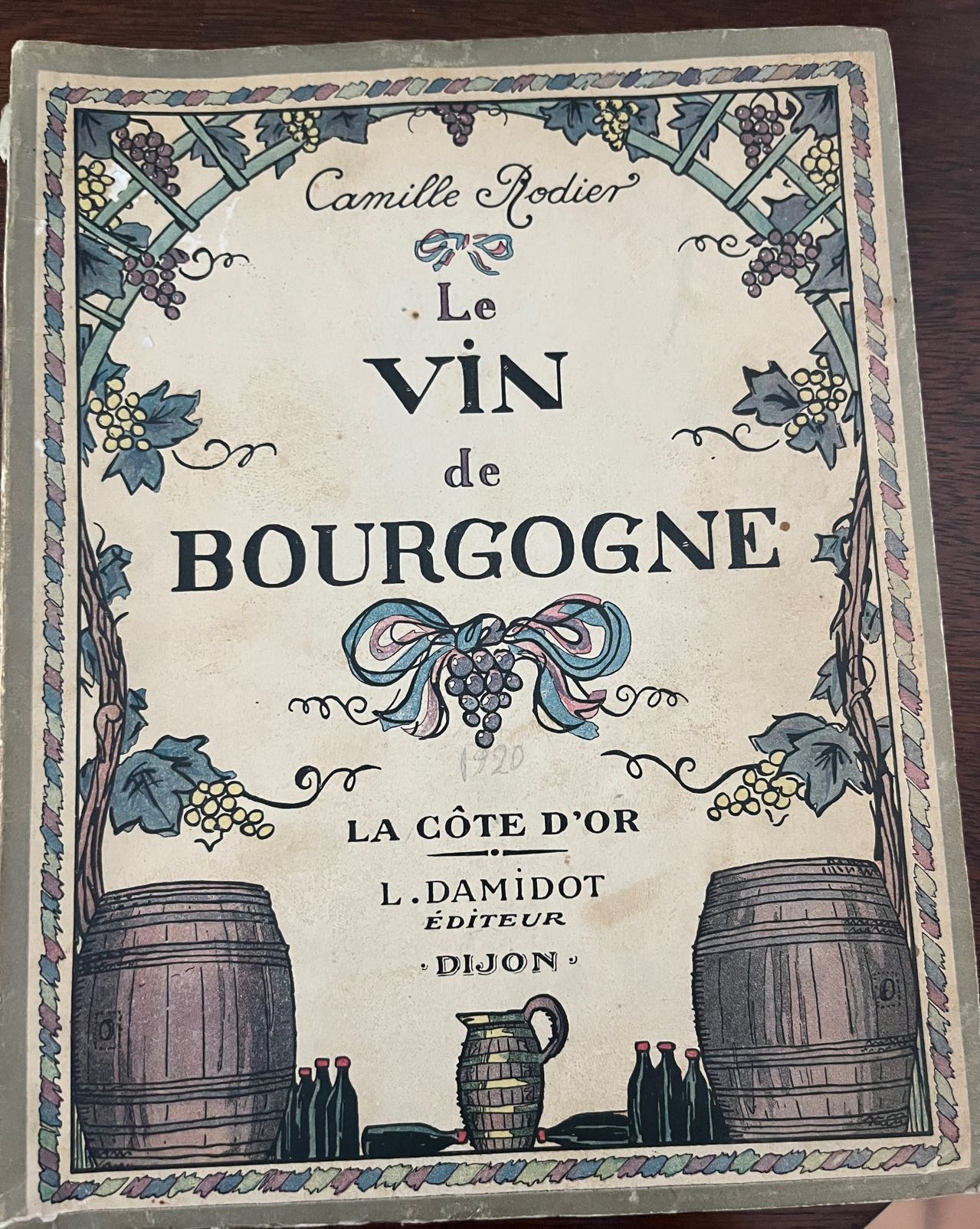
Camille Rodier(1890-1963)
(The bottle Richebourg 1945 shown in this article comes from the collection of Victor Hsu, whose passion for old wines and forgotten histories made this research possible.)
Pearl Liu
, a Burgundy enthusiast with a special interest in old wines and wine history. Through bottles, labels, and archives, she explores the history, vignerons, domaines, and heritage behind Burgundy wines, from celebrated names to forgotten chapters of the past.
 - A true vin d’émotion – a Burgundy of passion
 - A truly hedonistic wine – lively and enjoyable
 - A vivacious wine for pure indulgance
 - A potential vin d´émotion - frais et léger