
In the coming weeks, I will have the pleasure of participating in and reporting from the harvest at Domaine Garcia in Nuits-Saint-Georges – the previous Moron-Garcia. I will, time permitting, produce a daily update.
I note that some find it odd that I’m focusing on only one estate in my 2021 harvest coverage. I made this choice because of the fact that this could give me and my readers a unique insight into baie-par-baie vinification.
I will, however, also visit other domaines during harvest, including Domaine du Comte Liger-Belair in Vosne-Romanée.
Day 4
September 20
Monday rain
A rainy Monday, so no harvesting today. Instead time for the baie-par-baie preparation of the Corton.
Baie-par-Baie – Corton
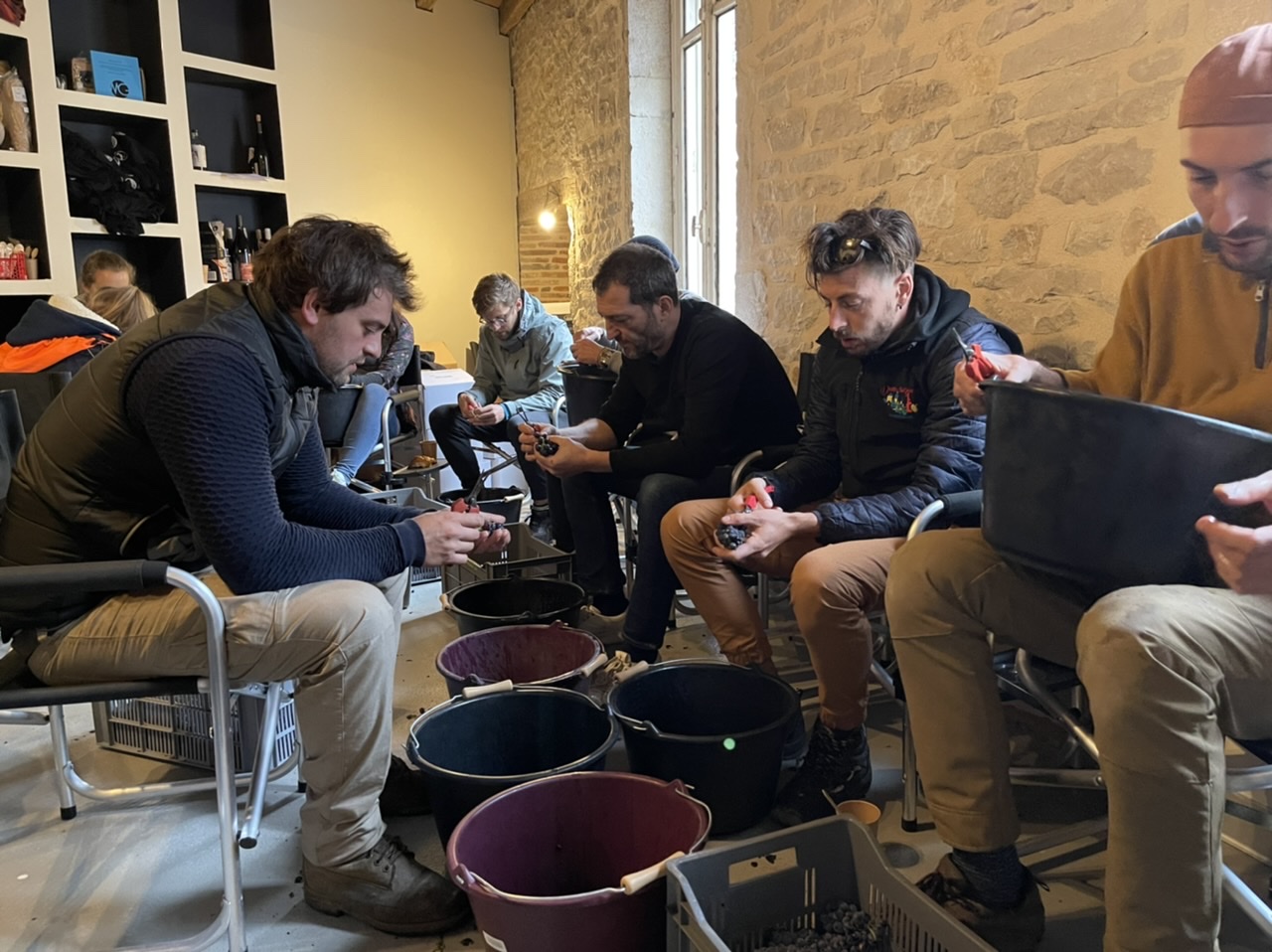
I will fully explain the baie-par-baie approach to winemaking, and with this cuvee we are getting into some serious cutting and clipping. I’ll shortly post a video in which Pierre-Olivier Garcia demonstrates cutting the baie-par-baie berries.
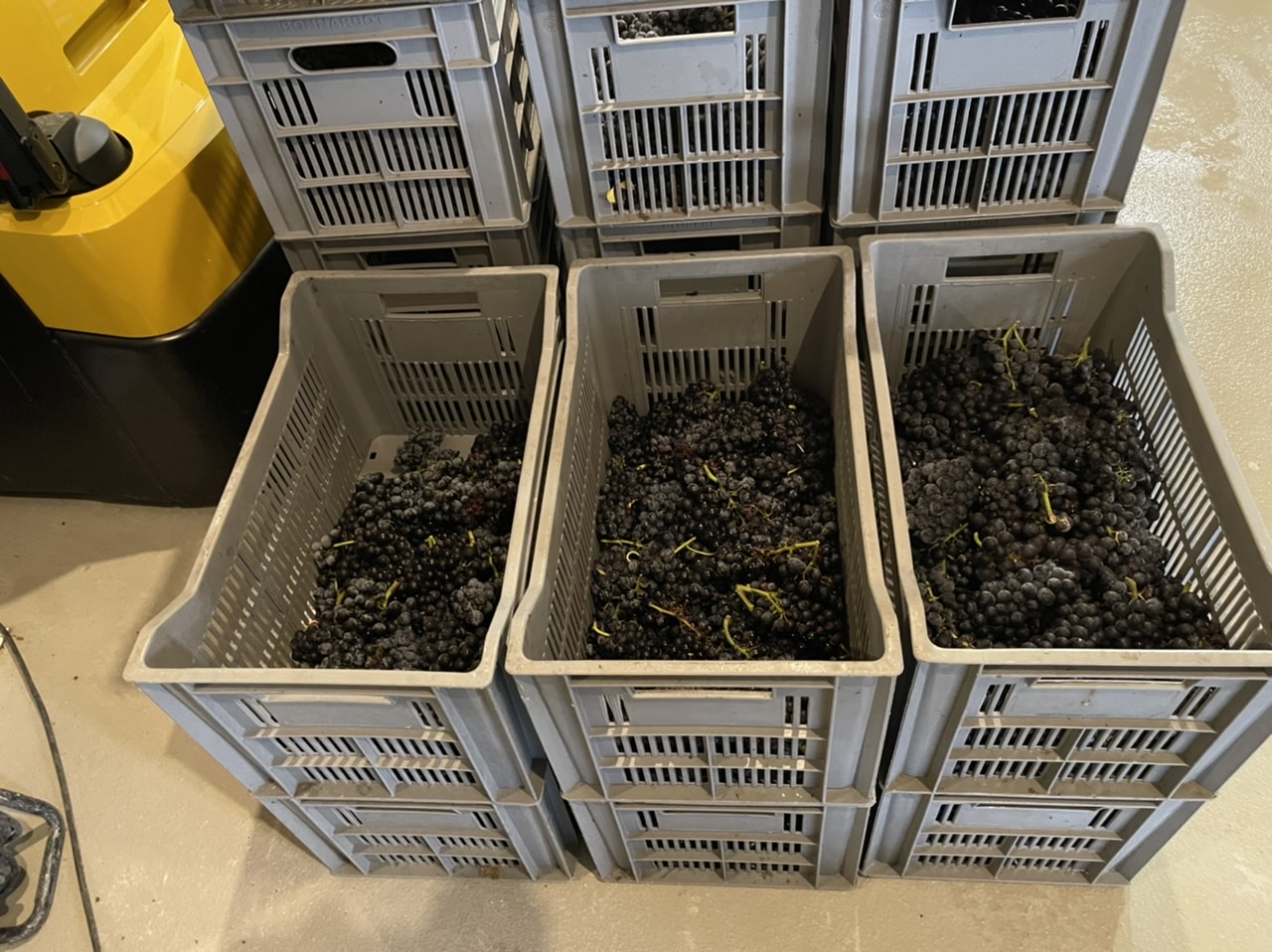
We start with whole clusters.
And we end up with hand-cut, whole berries with their pedicels intact and perhaps a short stem attached – grape caviar, some call it.
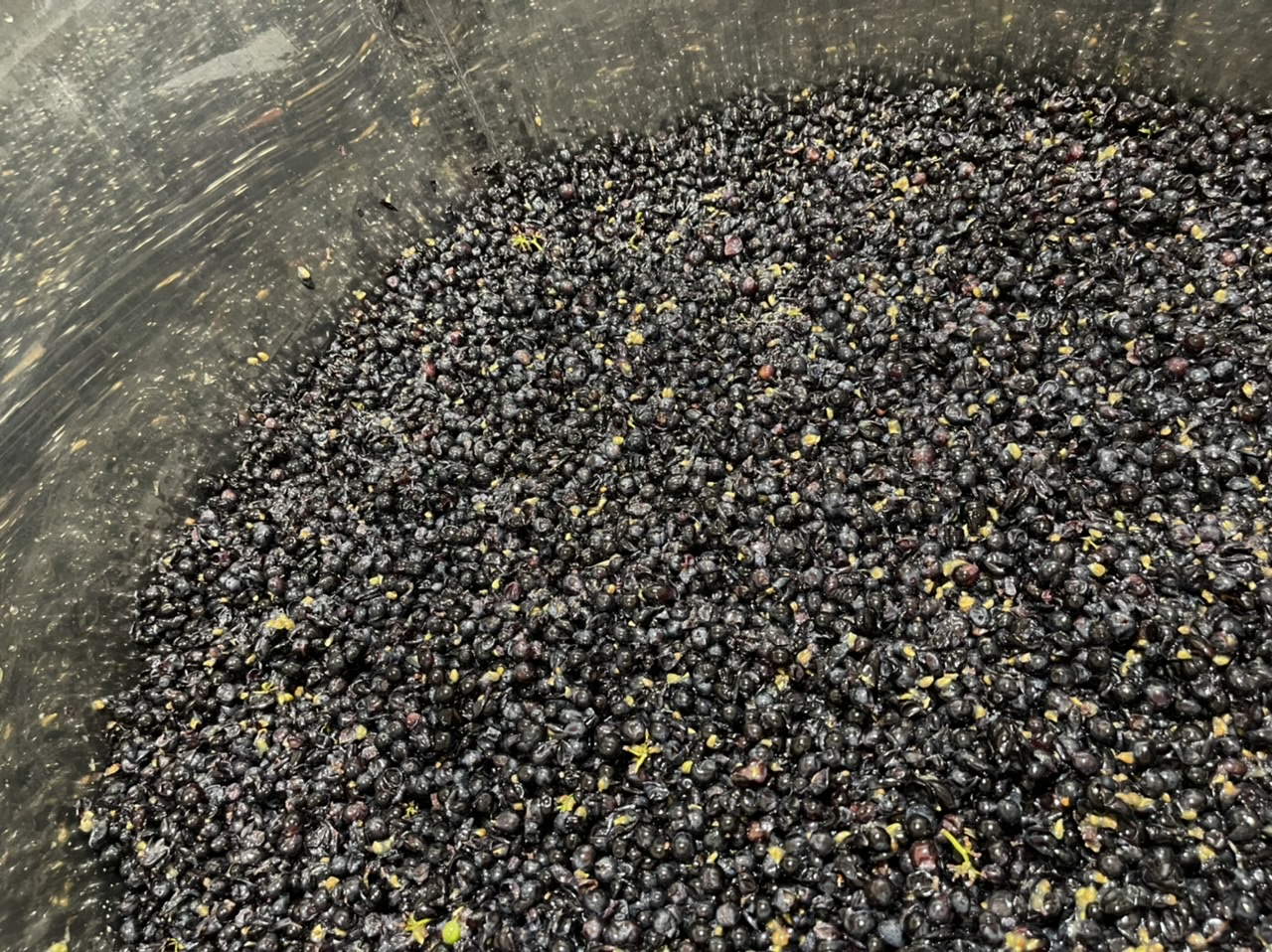
The grapes are intact, with no leaking juice, which is wholly contained by the berry and the pedicel.
When the baie-par-baie grapes are prepared, the rest of the cuvee is completed.
Triage – whole-cluster grapes
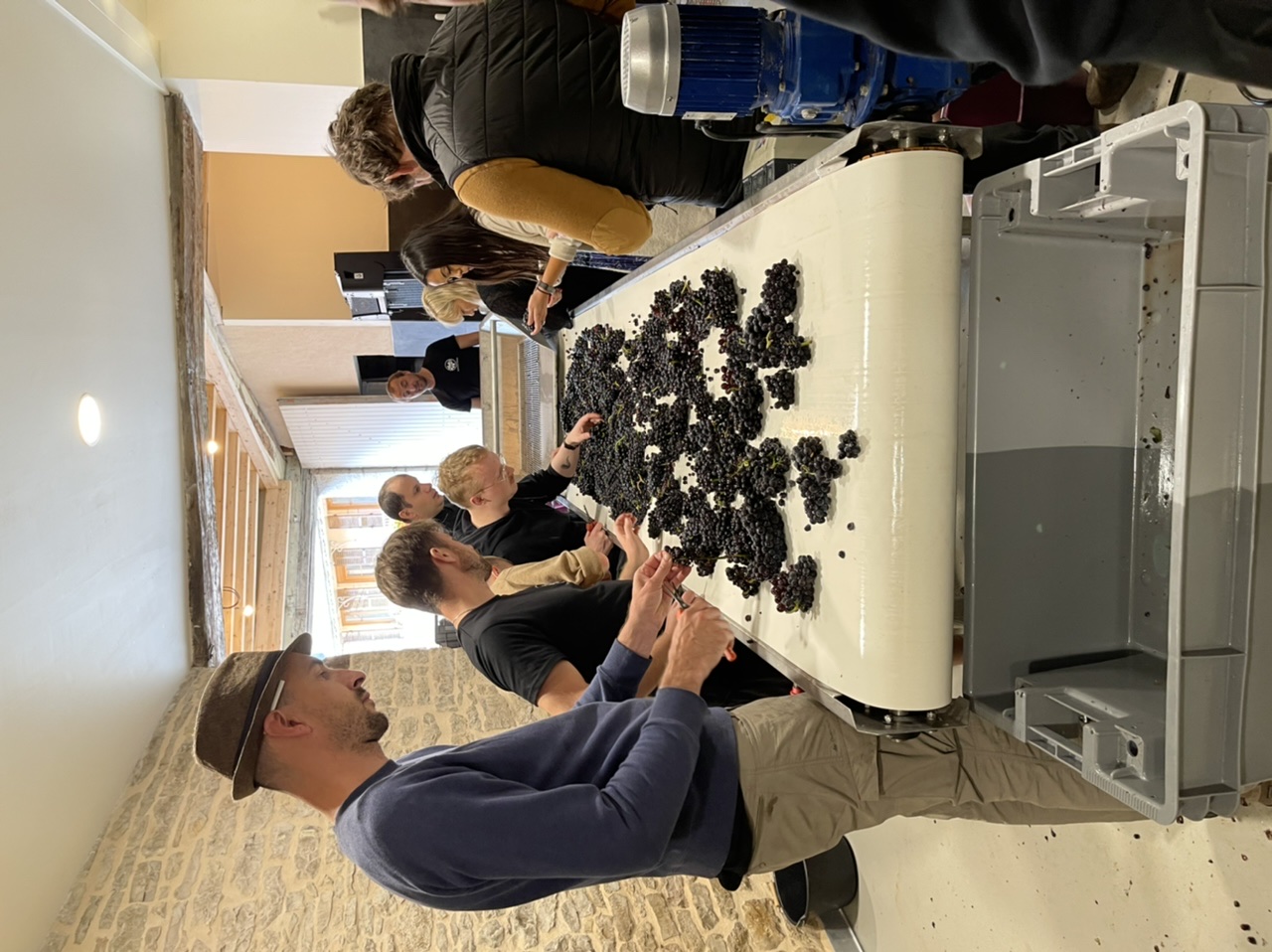
Sorting the whole-cluster bunches comes in a thorough, but traditional, triage.
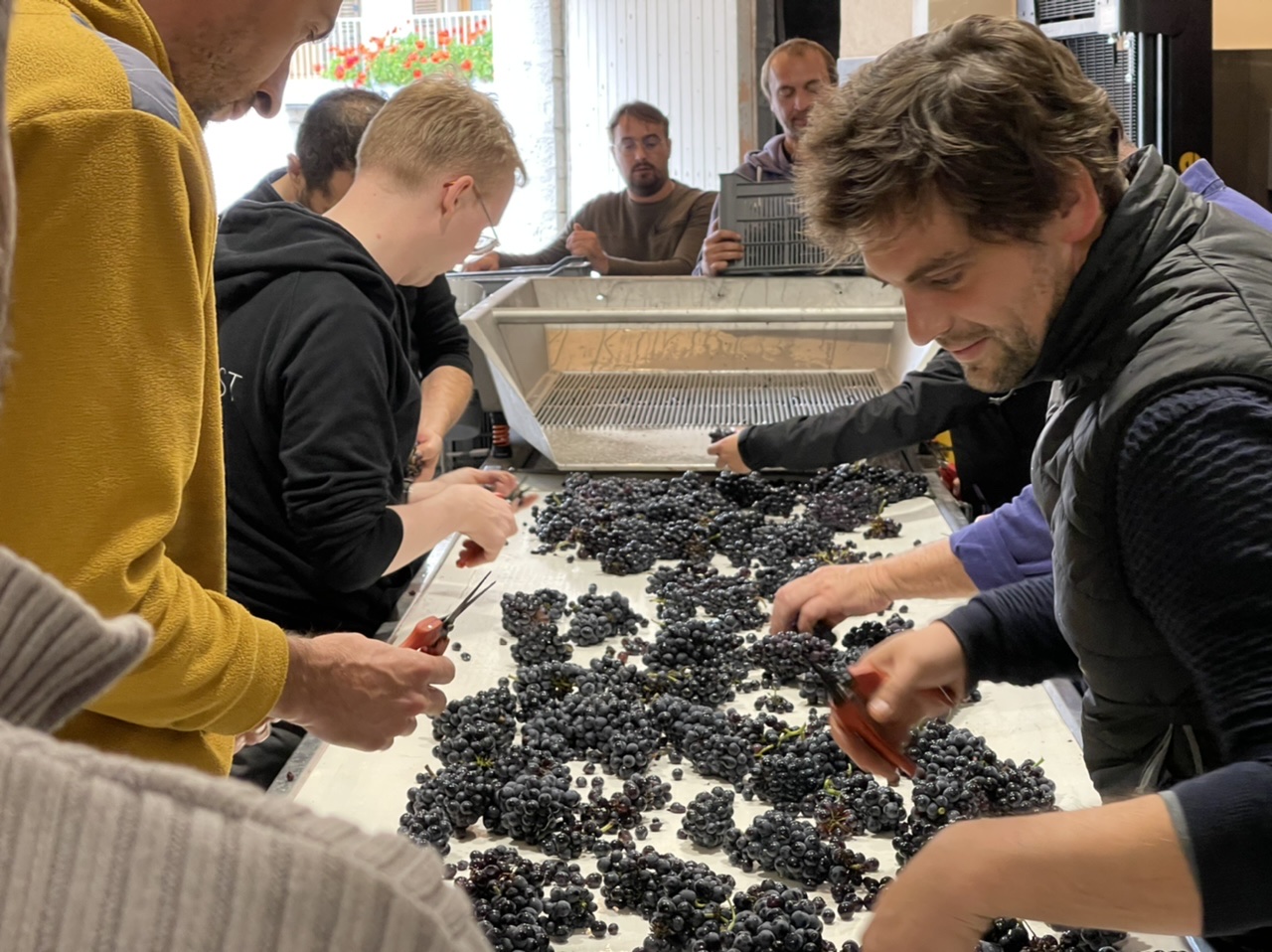
Triage – Grapes for machine destemming
It’s the same story with the third of the grapes destined for machine destemming.
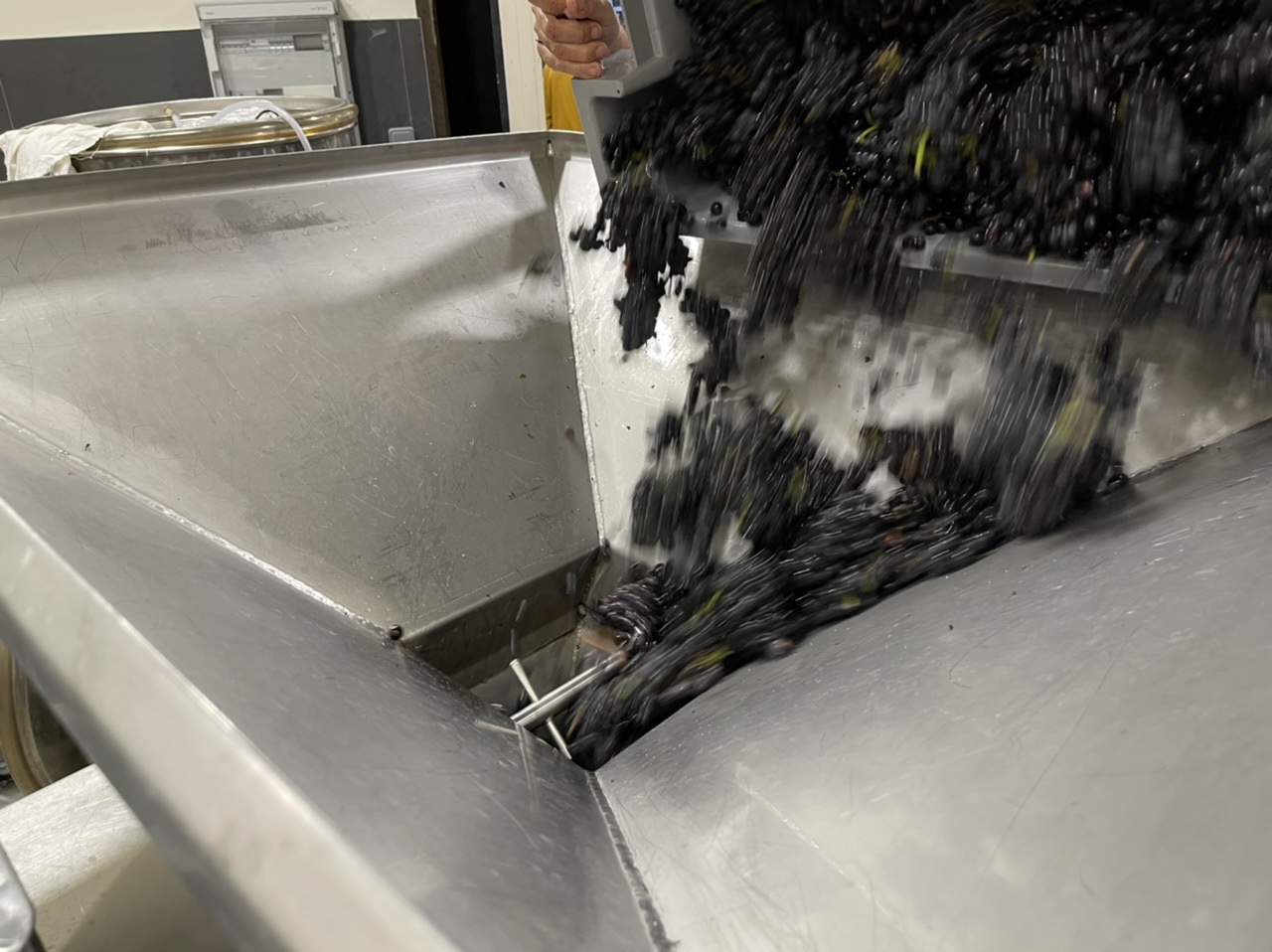
Destemming (machine)
One third of the bunches are then destemmed in a traditional destemmer.
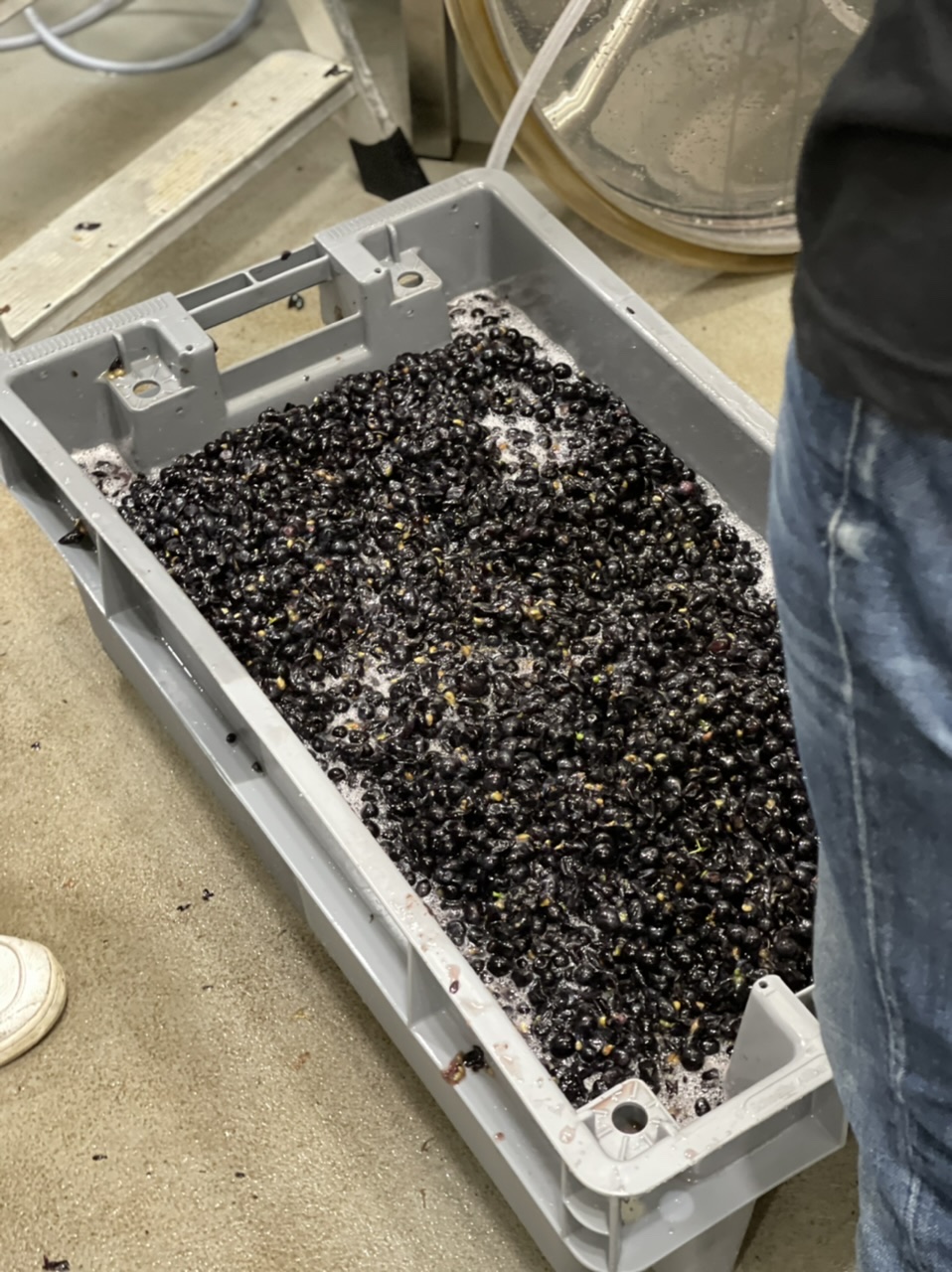
Assembling the cuvee
Then the cuvee is assembled in the fermentation tank. On the bottom are a third whole-cluster grapes.

Then the baie-par-baie berries are added; another third.
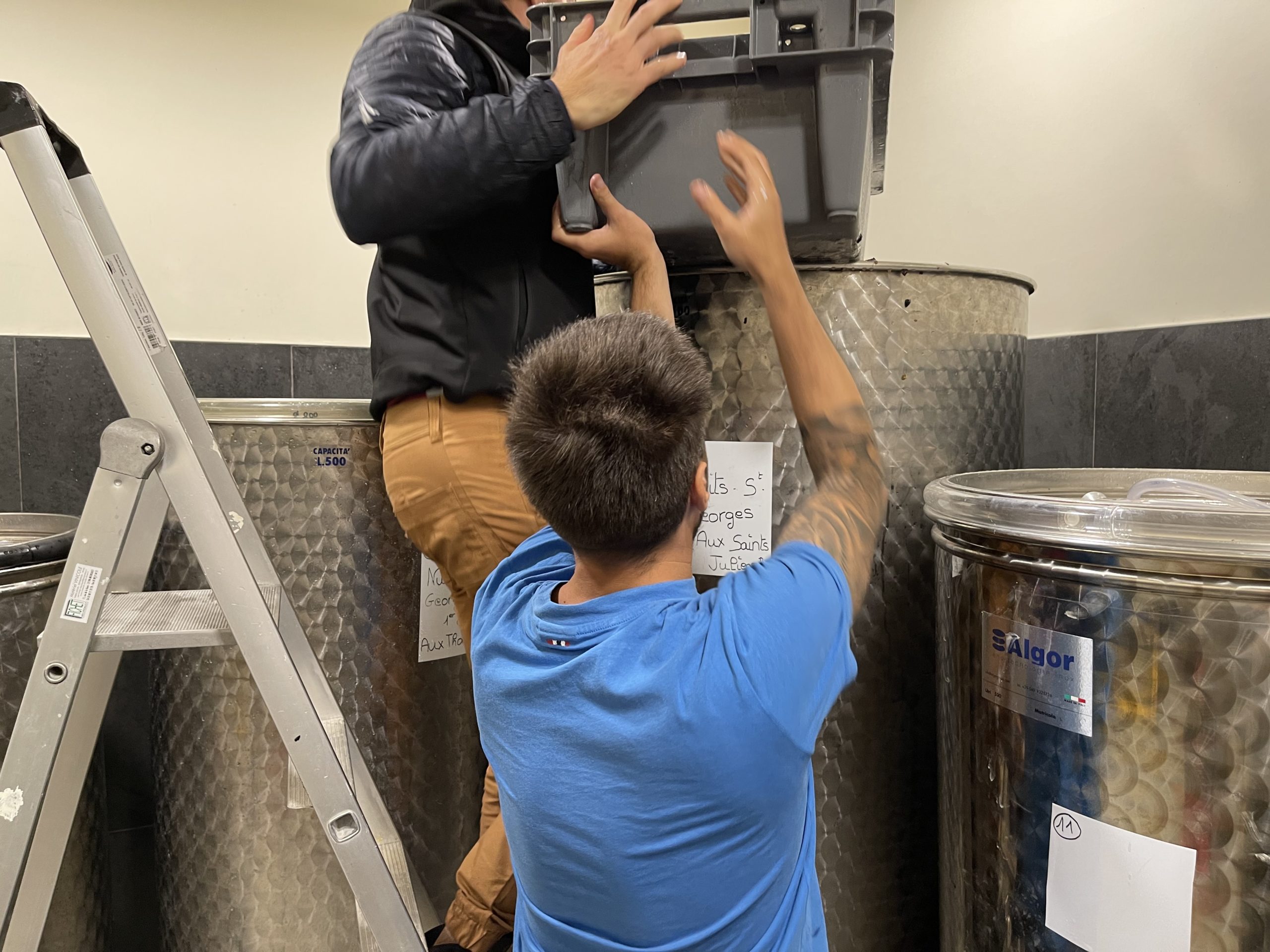
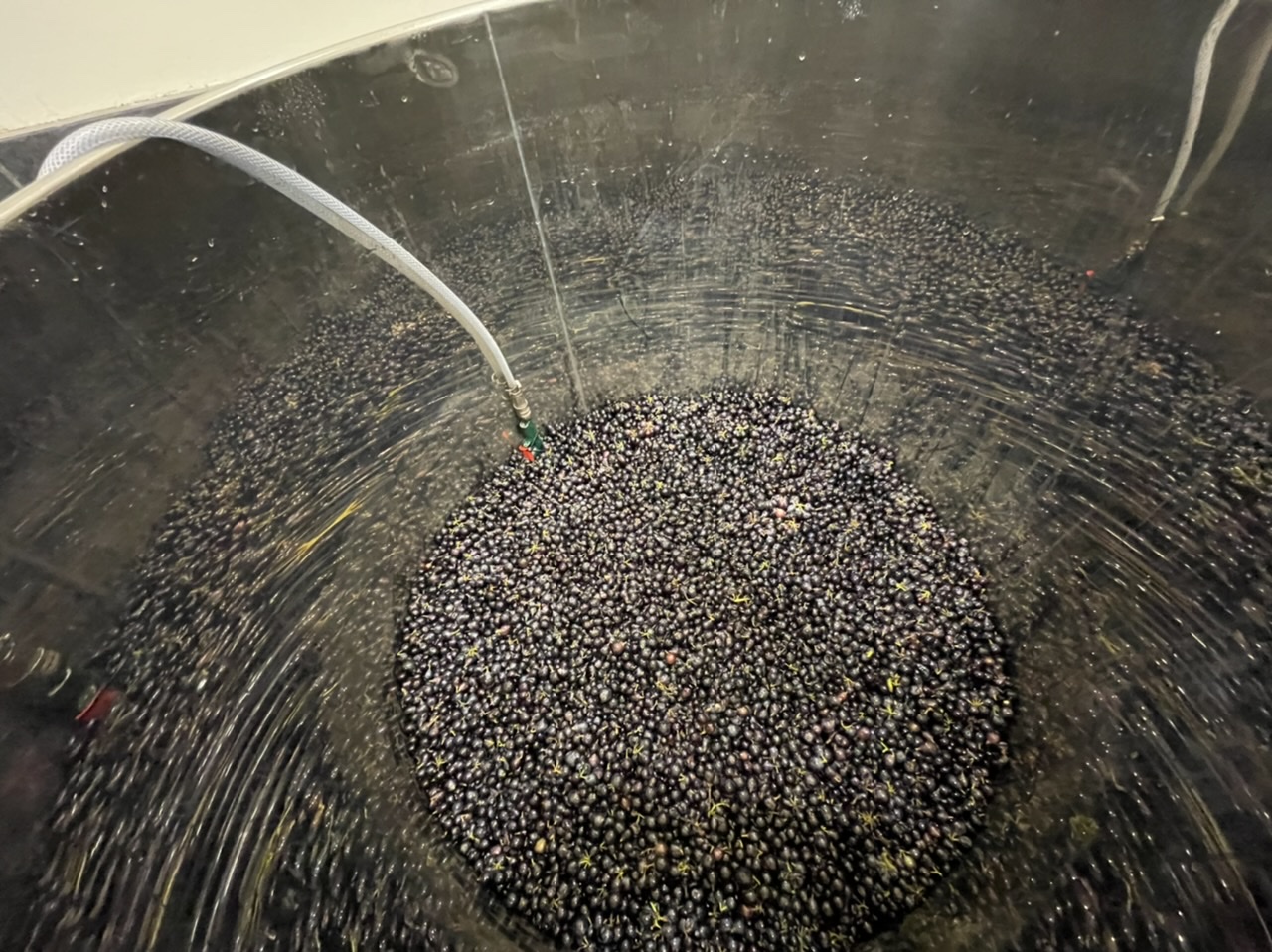
Finally, the destemmed berries and flowing juice finishes the cuvee.
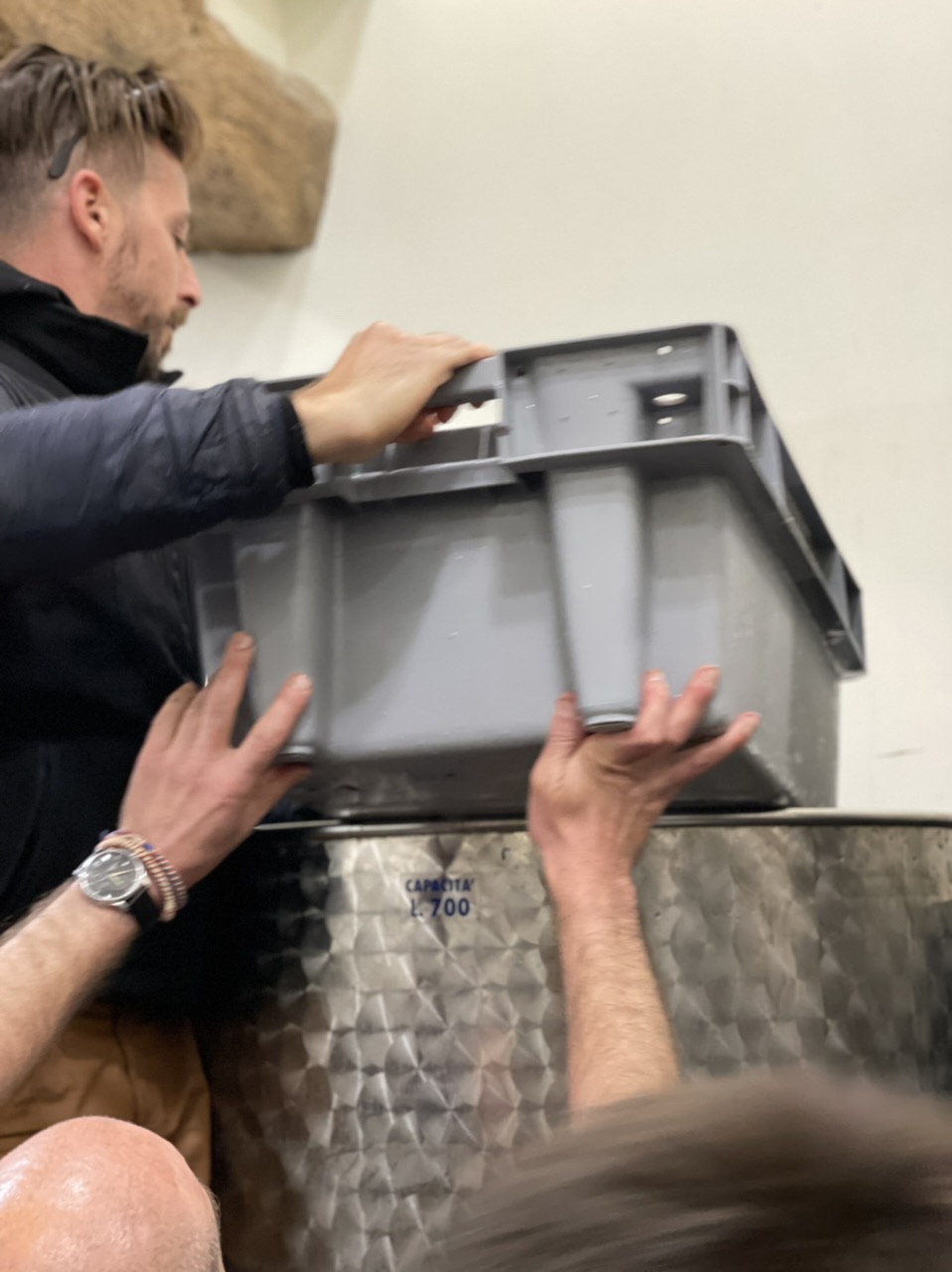
During assembly, the layers sealed and separated with CO2, with finally, the full cuvee closed with CO2, creating a milieu for cold pre-maceration before fermentation.
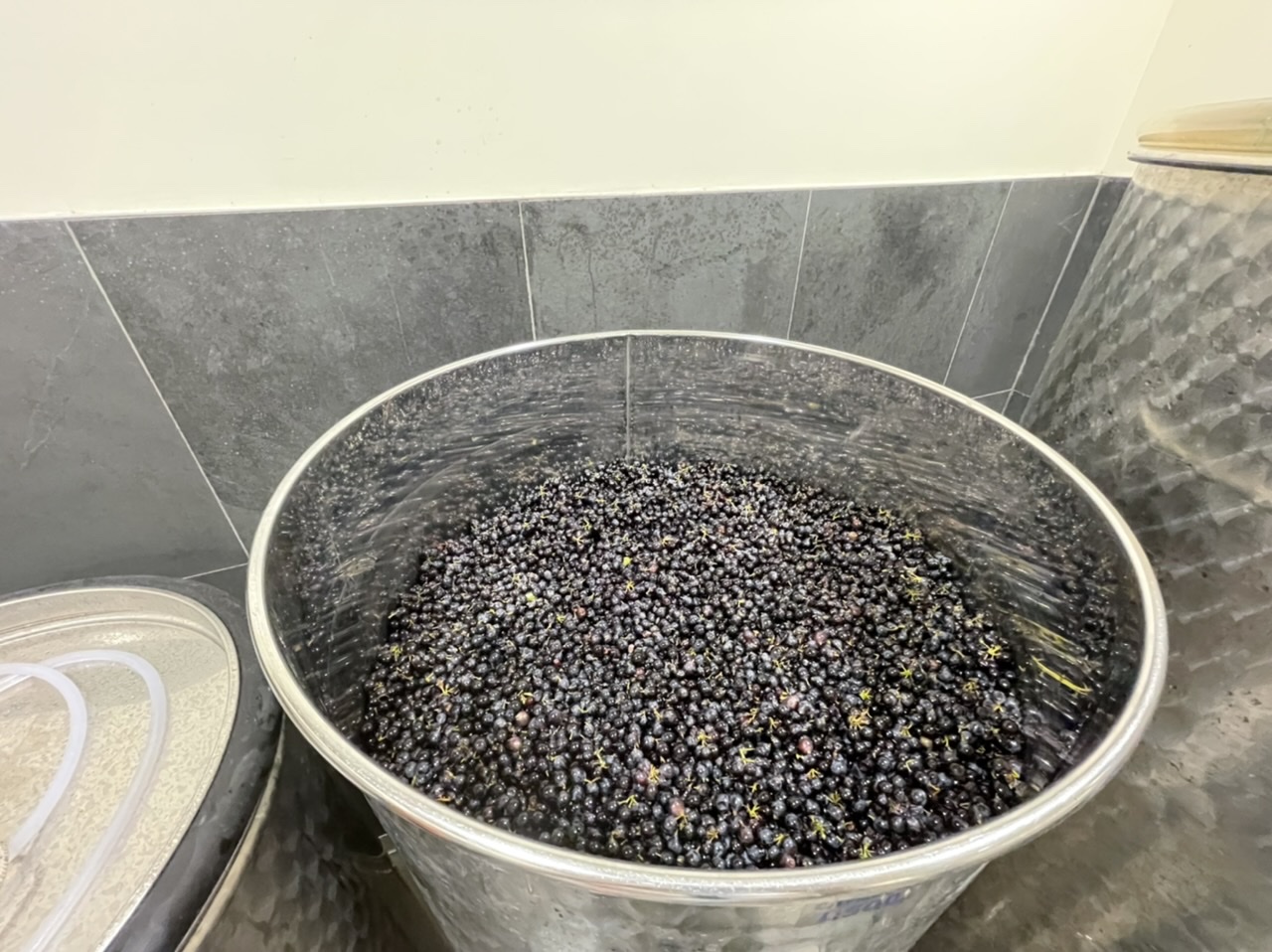
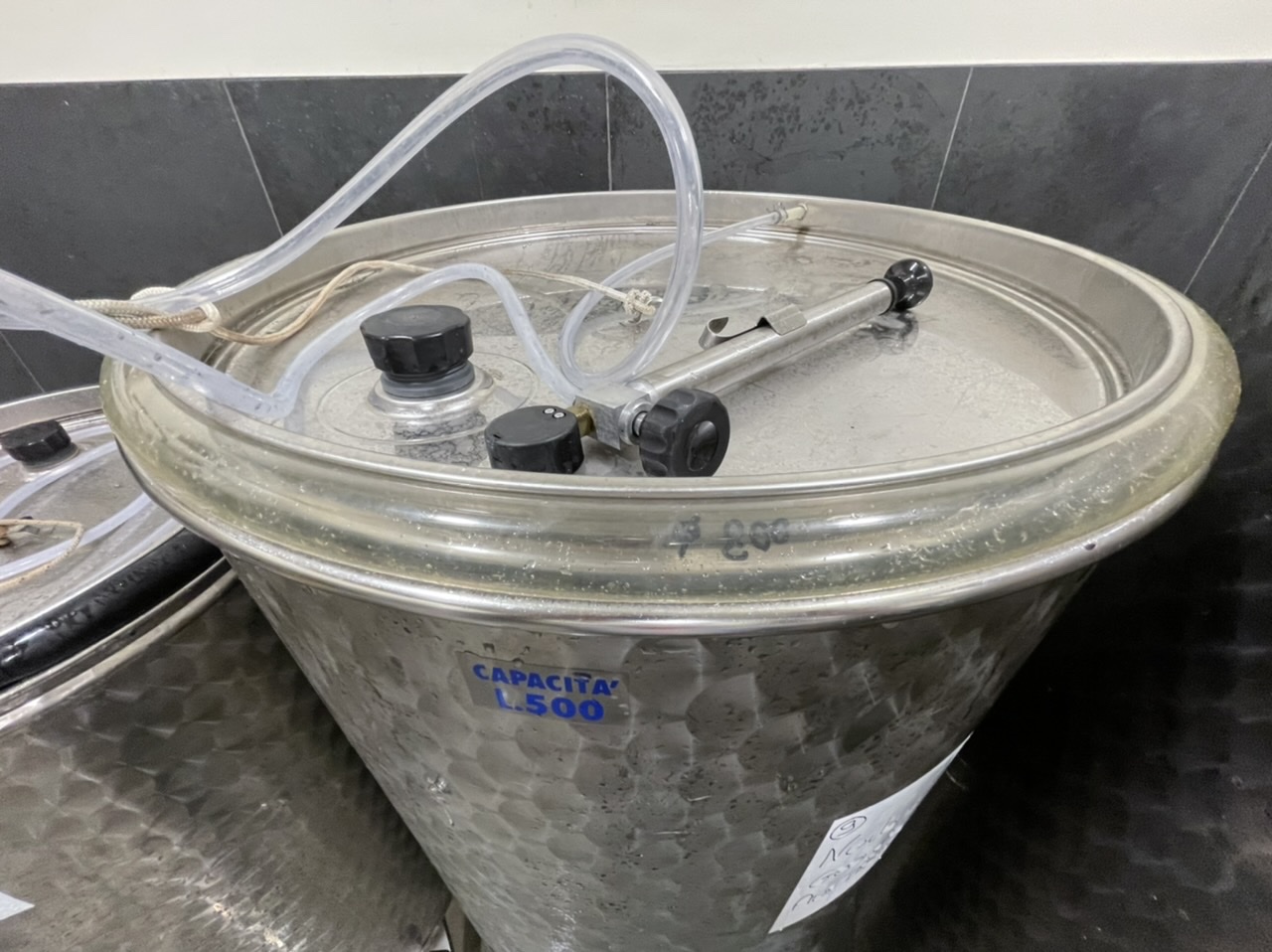
Ready for maceratation
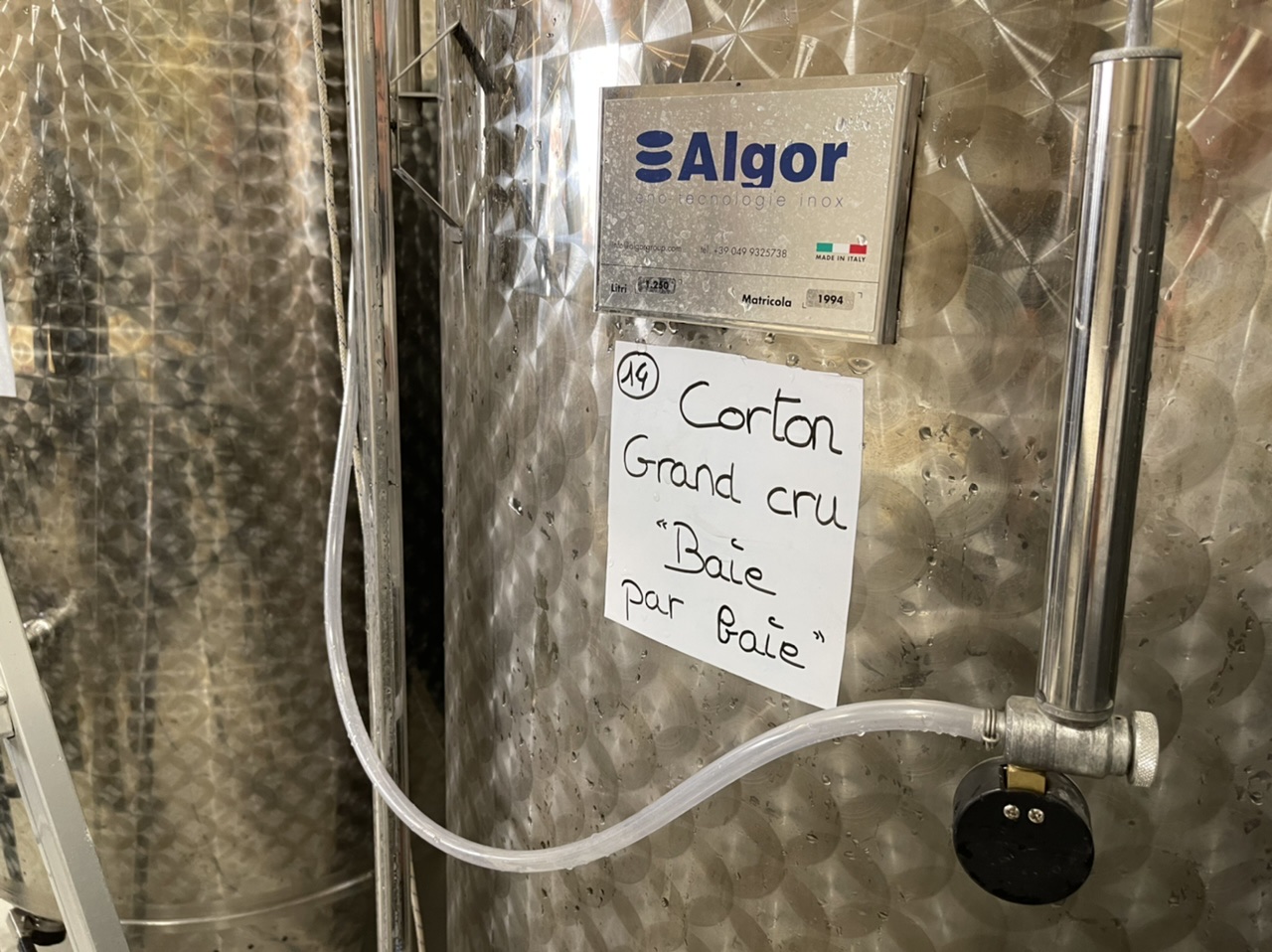
The temperature of the cuvee is kept below 12C for 3-5 days to prevent fermentation from starting, giving the cold maceration time to work.
Eventually rises to 13-15C then the alcoholic fermentation begins. More about it when we reach this stage.
 - A true vin d’émotion – a Burgundy of passion
 - A truly hedonistic wine – lively and enjoyable
 - A vivacious wine for pure indulgance
 - A potential vin d´émotion - frais et léger