

The 2026 vintage was one of the driest and hottest summers in the history of Burgundy… the result was the earliest harvest ever … hence, it put the system and the manning of the harvest teams under a lot of pressure.
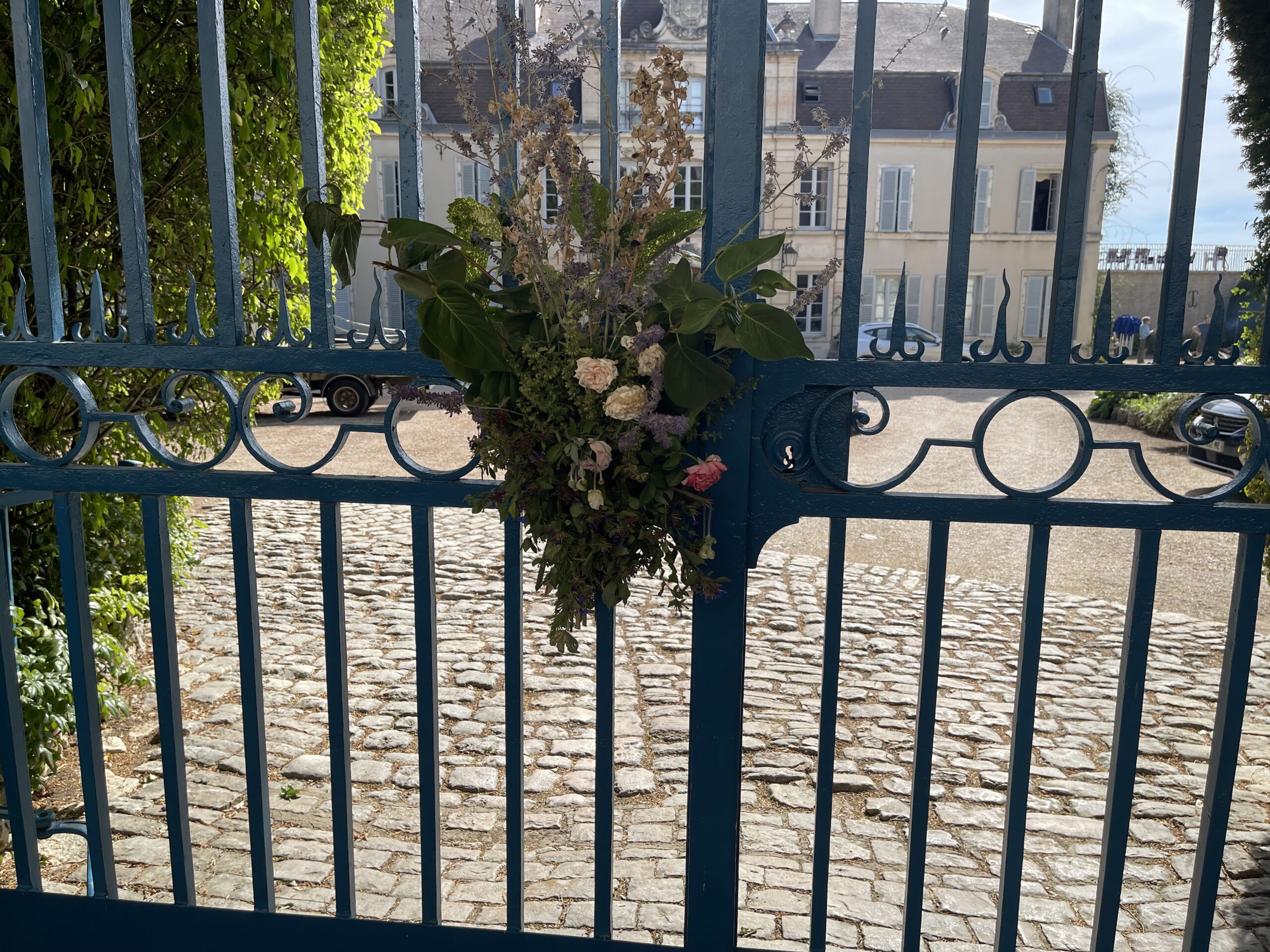
Harvest started on August 6th or 7th in Côte de Beaune whites, and harvest for the reds began August 9th in small plots.
Extremely early start that put the whole system in a panic, as it was very difficult to get the pickers organised and available for this early start.
The Whites – Côte de Beaune
The harvest was a battle between alcohol level and phenolic ripeness … and the alcohol levels were high for the whites in Côte de Beaune – often too high for my taste. Alcohol between 14 and 15 % and occasionally beyond 15%.
Wines are pure and rich, with ample alcohol to match the size of the wines. Time will show if the alcohol is truly excessive, or just “generous” !!!
It was sometimes a struggle to harvest before the alcohol reached 15% … some Corton-Charlemagne ended up very high on the alcohol scale.
Yield was low … 50% under normal!!
Especially steep and shallow soil was problematic yield-wise … some with 70% loss of yield. Also, the alcohol sometimes was very high in these dry and steep areas.
White wines – the questions
- Was it a good idea to wait for the phenolic ripeness and let the alcohol rise?
- What happened in the Corton vineyards … why did alcohol reach these levels?
The reds – Côte de Nuits
The very aggressive increase in the alcohol levels of the whites did give the producers of the reds in Côte de Nuits quite a scare … would the alcohol level of the reds continue to rise, or was there, after all, some kind of a break?
In the end, the alcohol level increased until the Corton hill, and some specific vineyards reached alcohol between 14,5 – 15% … but not the 17% or 18% seen in some steep and stony areas near Corton.
In the end, the alcohol level in Côte de Nuits ended up around 13,5 to 14%, with a few outliers … a respectable balance and combined with the lovely pure and rich fruit … some potentially beautiful wines.
Yield was low … 50% under normal!! Especially steep and shallow soil was problematic yield-wise … some with 70% loss of yield. Also, the alcohol sometimes was very high in these dry and steep areas.
Red wines – the questions
- Was it a good idea to wait for the rain?
- What happened in the Corton vineyards … why did alcohol reach these levels?
The balance and style
The fruit was of very good quality … pure … healthy, without rot and other problems. Some berries were burned and should be sorted to avoid bitter notes … this is very, very important.
Other berries were overripe … while others were underripe … this was the issue with the vintage, as the phenolic ripeness took a long time with some unripe berries, while others, due to uneven ripeness, just shot up in sugar content.
I do have a feeling that fine and rich wines will be produced in both whites and reds … as always, there are limits, and especially the burned berries are a worry. Extreme alcohol will always give issues in the end … I don’t think that 15% and above will produce very memorable wines … but I could be wrong with the big whites.
More when I taste more …
 - A true vin d’émotion – a Burgundy of passion
 - A truly hedonistic wine – lively and enjoyable
 - A vivacious wine for pure indulgance
 - A potential vin d´émotion - frais et léger